
 By admin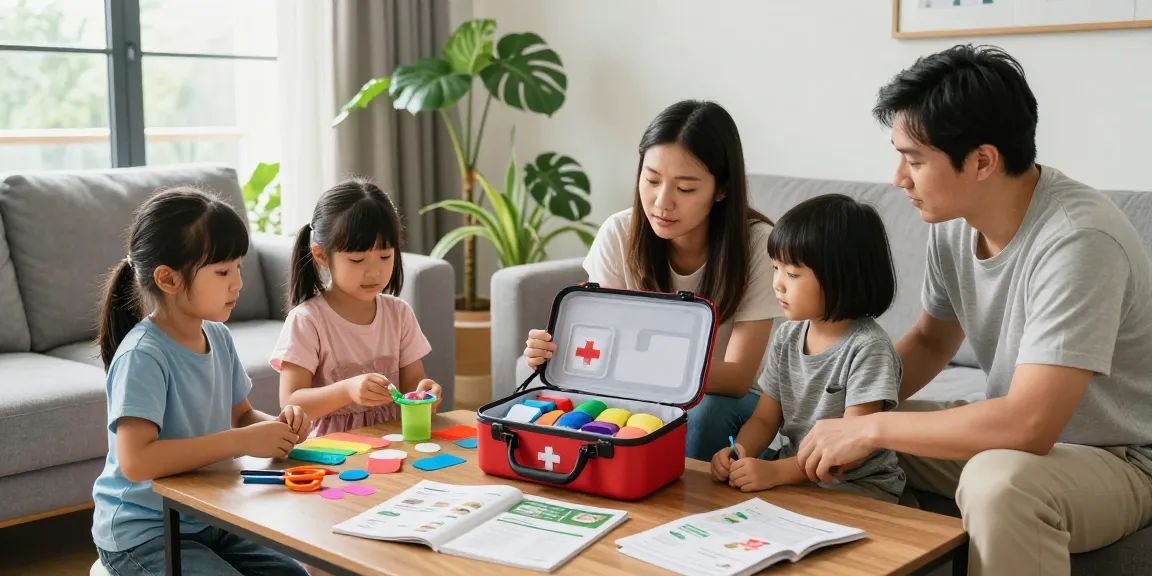
Understanding the Importance of a First Aid Box
A first aid box is an essential component of emergency preparedness for individuals, families, and workplaces alike. Whether at home, in the office, or on the go, having a well-stocked first aid box can mean the difference between a minor mishap and a serious emergency. It’s crucial to recognize that a first aid box is not just a collection of supplies but rather a vital tool that can save lives and provide peace of mind. When exploring options, first aid box resources are invaluable for anyone looking to create a comprehensive emergency response kit.
What is a First Aid Box?
A first aid box, often referred to as a first aid kit, is a container that holds medical supplies and equipment designed for initial treatment of injuries or emergencies. The contents of a first aid box can vary widely depending on the intended use—personal, travel, or workplace. Typically, it includes items such as bandages, antiseptics, gauze, scissors, and medical tape, among others. Its primary purpose is to provide immediate assistance until professional medical help can be obtained.
Essential Items to Include in Your First Aid Box
Having the right supplies in your first aid box is crucial. Here’s a list of essential items you should consider including:
- Adhesive bandages of various sizes
- Gauze pads (sterile) and medical tape
- Antiseptic wipes or solution (e.g., hydrogen peroxide)
- Tweezers and scissors
- Instant cold packs
- Elastic bandages for sprains
- Pain relievers (e.g., ibuprofen, acetaminophen)
- Burn cream or gel
- First aid manual or instruction booklet
- Latex or nitrile gloves
Consider adding any personal medications or items specific to family members’ medical needs, such as EpiPens for allergies or inhalers for asthma.
The Role of First Aid Boxes in Emergency Preparedness
First aid boxes play a critical role in emergency preparedness plans. They ensure that individuals are equipped to respond to various scenarios, from minor accidents to more severe injuries. In workplaces, a well-stocked first aid box can help comply with health and safety regulations, while in homes, it provides a sense of security knowing that help is merely a reach away. Moreover, education on how to use the supplies effectively enhances their value, transforming a simple box into a proactive safety measure.
Common Misconceptions About First Aid Boxes
Are First Aid Boxes Only for Medical Professionals?
A prevalent misconception is that first aid boxes are exclusively for medical professionals or that only trained individuals can use them. In reality, first aid supplies are intended for everyone. Basic first aid knowledge and preparedness can empower anyone to assist in an emergency situation. Community programs and online resources offer courses that teach essential skills, making it accessible for individuals with no medical background to respond effectively.
Can I Customize My First Aid Box for Specific Needs?
Absolutely! Customizing your first aid box is not only permissible but often necessary. Depending on your lifestyle, specific needs must be addressed. For example, families with children may want to include items such as pediatric medications or larger adhesive bandages. Outdoor enthusiasts might consider adding sunburn relief or snake bite kits. The key is to tailor the contents to fit your unique circumstances and potential emergencies.
Myths vs. Facts: First Aid Box Usage
There are several myths surrounding the use and effectiveness of first aid boxes. For instance, some believe that having a first aid box negates the need for professional help. In truth, while a first aid box can provide immediate care, it is not a substitute for medical assistance. Furthermore, the myth that first aid boxes expire is often misunderstood; while some items do have shelf lives, many supplies remain effective for extended periods if stored correctly. Understanding these facts can help users maximize their first aid box’s utility.
Best Practices for Organizing Your First Aid Box
How to Regularly Update Your First Aid Box Contents
Regularly updating your first aid box is essential to ensure that all supplies are fresh and usable. Set a schedule, such as bi-annually, to inspect your kit. Check expiration dates, replenish depleted items, and replace any supplies that show signs of damage. This routine will help keep your first aid box effective and ready for use in emergencies.
Labeling and Accessibility: Key Considerations
Clearly labeling the contents of your first aid box can save valuable time in emergencies. Use labels or a list placed inside the box to identify items quickly. Additionally, ensure that your first aid box is stored in a location that is easy to access and known to all family members or colleagues. A well-placed first aid box can significantly enhance response time during an emergency.
Using Technology to Manage Your First Aid Supplies
In the age of digital solutions, utilizing technology to manage your first aid supplies is a smart approach. Many apps can help track supplies, remind you of expiration dates, and even provide educational resources on first aid techniques. Integrating technology into first aid management not only streamlines the process but also educates users on proper usage.
Real-World Examples of First Aid Box Effectiveness
Case Studies: First Aid Boxes in Action
There are numerous instances where first aid boxes have played a pivotal role in emergency situations. For example, a first aid box in a school setting was instrumental in treating a student’s severe allergic reaction when a teacher was promptly able to administer an EpiPen. Similarly, in workplace settings, first aid kits are often used to address various injuries, from cuts to sprains, demonstrating their value in real-time situations.
Community Initiatives Promoting First Aid Awareness
Many communities have recognized the importance of first aid awareness and have launched initiatives aimed at educating the public. Workshops, training sessions, and campaigns that emphasize the importance of having a prepared first aid box are increasingly common. These efforts not only distribute information but also foster a culture of safety and preparedness.
Testimonials from Users: How a First Aid Box Saved Lives
User testimonials reveal profound stories of how a first aid box has made a difference in critical moments. One parent recounted how their first aid box had the supplies needed to treat their child’s injury during a camping trip, ultimately preventing an infection and ensuring a swift recovery. These narratives highlight the real impact of being prepared and the peace of mind that comes from having the necessary resources at hand.
Future Trends in First Aid Boxes by 2026
Innovations in First Aid Supplies and Packaging
As we look forward to 2026, the first aid industry is expected to see significant innovations. New materials that are more durable, lightweight, and sustainable are being developed for first aid supplies and packaging. Companies are focusing on enhancing user-friendliness and portability, ensuring that first aid boxes can be easily transported and utilized across diverse environments.
Smart First Aid Boxes: Integrating Technology
There’s a burgeoning trend of incorporating smart technology into first aid boxes. Features such as integrated sensors can monitor the supplies’ status, alerting users when items need replenishing. Furthermore, interactive elements like QR codes can be included, linking users to instructional videos on how to use specific supplies effectively. This transformation aims to make first aid more accessible and efficient.
Preparing for the Unforeseen: Anticipating Future Needs
With the ever-evolving landscape of potential emergencies, the first aid community is also preparing for unforeseen challenges. Emergency scenarios, whether they arise due to natural disasters, public health crises, or other unforeseen events, prompt the reassessment of first aid kit contents. This includes the incorporation of supplies specific to unique situations, such as pandemic-related items in future first aid boxes.
What’s Next for First Aid Education and Resources?
Looking ahead, the demand for first aid education is expected to rise. The integration of online learning platforms and virtual simulations will make it easier for individuals to gain essential skills without the constraints of traditional classroom settings. This shift toward accessible education will ensure that more people are equipped to handle emergencies confidently.
Frequently Asked Questions About First Aid Boxes
What are the Must-Have Items in a First Aid Box?
In addition to the essentials mentioned earlier, consider including items such as a thermometer, a first aid manual, and specific medications relevant to the users’ health needs. Including a few extra supplies for specific situations can enhance the kit’s effectiveness.
How Often Should I Replace My First Aid Supplies?
As a general rule, it’s advisable to check your first aid box every six months. Replace expired items and restock any supplies that have been used. Creating a checklist can streamline this process and ensure that your kit remains in optimal condition.
Where is the Best Place to Store a First Aid Box?
Your first aid box should be kept in a cool, dry place that’s easily accessible but out of reach of young children. Ideal storage locations may include a kitchen cabinet, bathroom closet, or a designated safety area in your workplace.
Can I Create a First Aid Box for My Pet?
Yes, it is highly advisable to have a separate first aid box for your pets. It should include supplies such as gauze, antiseptics, and any specific medications prescribed by a veterinarian. Familiarize yourself with basic pet first aid techniques as part of responsible pet ownership.
What Should I Do in an Emergency Using My First Aid Box?
In an emergency, first assess the situation and ensure that it is safe for you to intervene. Use your first aid supplies according to the guidelines you’ve learned, focusing on stabilizing the injured person until professional help arrives. Stay calm and reassure the injured individual to help keep the situation under control.
